
Case Studies

Three campaigns - a king’s reinterment, an important medieval abbey and a bishop’s palace by the Thames.

Book an introductory chat
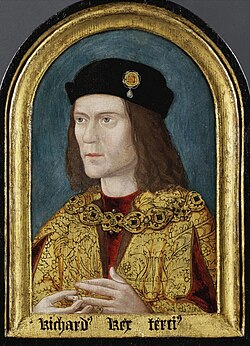
Richard has pale skin, blue eyes, and wears a black hat

Richard III Appeal

Task

Following a high-profile High Court judicial review into whether the reinterment should be in York instead of Leicester, and during which I acted as PR adviser to Leicester Cathedral, we had just under a year to raise £2.5million in time for the reinterment ceremony in March 2015.

Approach

The patron of the appeal was the Duke of Gloucester and the strapline ‘with dignity and honour’ summed up Leicester Cathedral’s vision for the respectful and ceremonial reinterment of the King’s remains. We built a story around the (peaceful) involvement of the present-day descendants of the houses of York and Lancaster and their noble supporters who fought at the Battle of Bosworth.

Result

Seed funding was given by the Diocese of Leicester and the appeal was underwritten by the city and county councils. Grant givers included the Heritage Fund (£94k), the Richard III Society (£18k) and Garfield Weston Foundation (£250k).

Many local donors and benefactors were also generous (including The Vichai Srivaddhanaprabha Foundation), donors gave from across the world and a grassroots final appeal raised £50,000. The target was reached in January 2015, which means we raised £2.5million in 10 months.
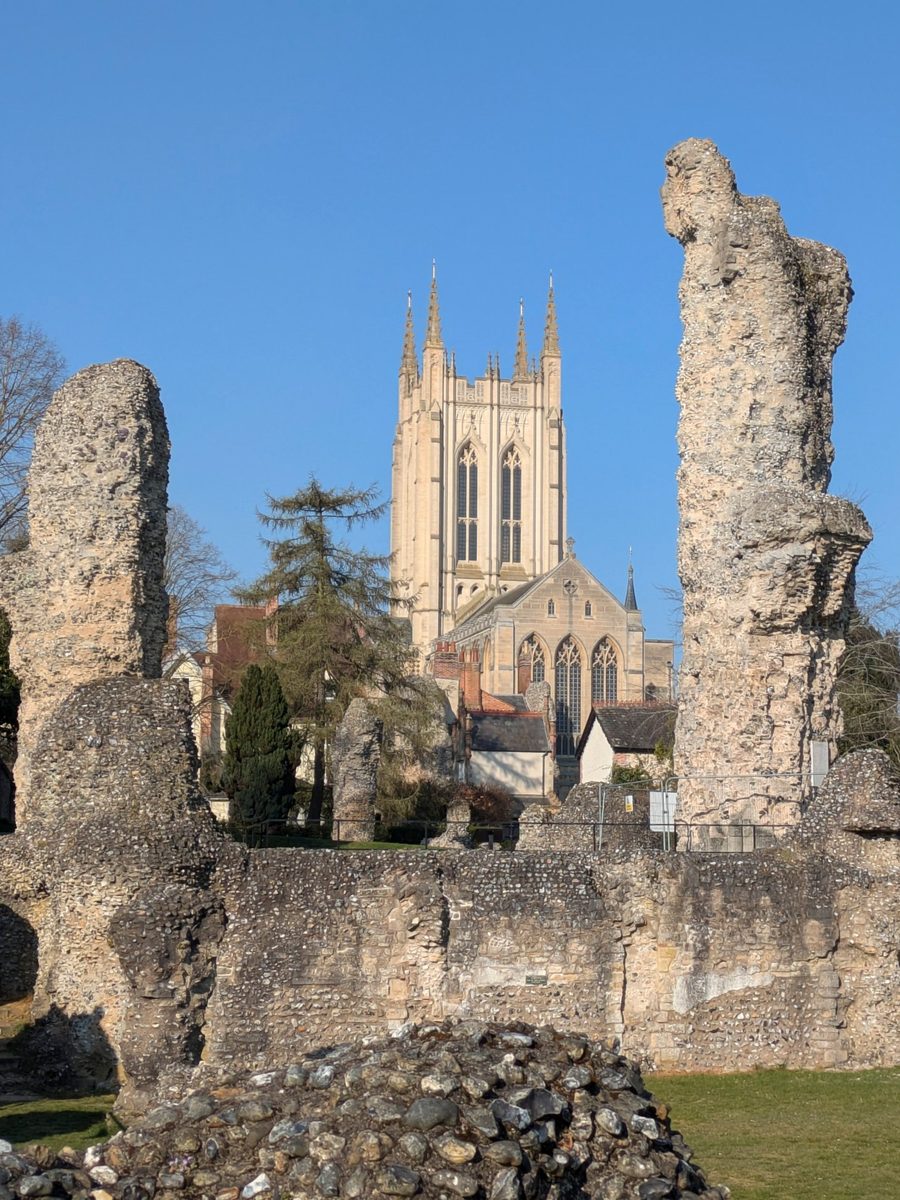
St Edmundsbury Cathedral tower seen between the ruins of the Abbey of St Edmund

The Abbey of St Edmund Reborn

Task

The Abbey once housed the shrine of King Edmund of East Anglia, was one of Europe’s most important medieval pilgrimage sites and the Magna Carta barons met there in 1214. It is now in ruins, not widely understood and is disconnected from the town. The target of £2.6m needed to be achieved from a relatively small donor pool and against a backdrop of limited previous fundraising.

Approach

The £9.83m project has three delivery partners: St Edmundsbury Cathedral, West Suffolk Council and English Heritage. I worked with the partners to develop the project concept: conservation of the ruins, reuniting the Abbey site with Cathedral and Town through an expanded and improved footpath network and by building a visitor centre in repurposed listed buildings which face the town’s public space, strengthening biodiversity in the Abbey area, and providing comprehensive accessibility.

I then wrote the Expression of Interest and authored the successful application for a Development Grant. The fundraising target was £2.6m.

Result

The collaborative relationship between the Dean of St Edmundsbury and the Fundraising Consultant was the engine that drove this successful capital fundraising campaign. Lead gift seeding, personalised prospect assignments, segmentation strategies, persuasive collateral and unusual events, and a robust PR programme framed the approach.

We achieved some major wins from grant-givers but the majority of funding came from local organisations and individuals, which reflected their sense of shared purpose and commitment to the project, encouraged grant-givers in their support and made it likely they would contribute to future Abbey projects. The target was achieved in autumn 2026 and this project is now in its delivery phase.

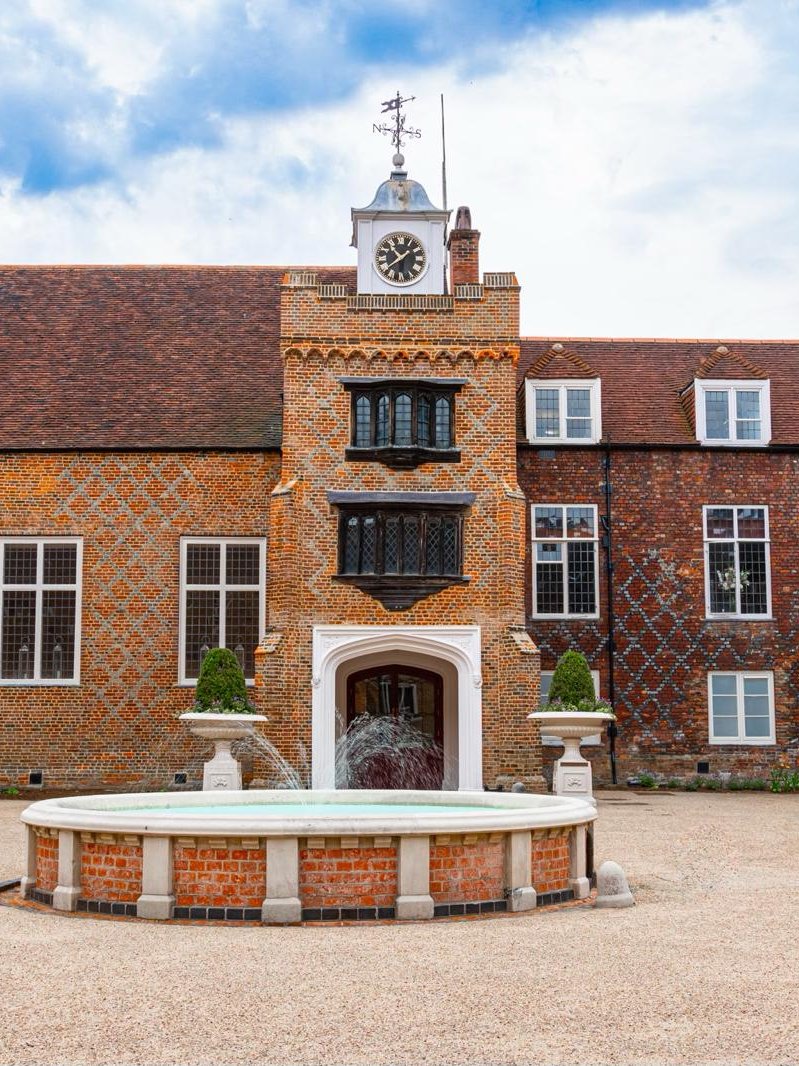
The courtyard and clock tower of Fulham Palace, with its fountain

Discovering the Bishop of London’s Palace at Fulham

Task

Fulham Palace, a magnificent powerhouse situated alongside the Thames, was the summer residence of the Bishops of London from 704 until 1973. The newly established Fulham Palace Trust developed a £3.8m Heritage Fund-supported project to restore the Grade I listed Tudor palace and the Grade II* listed garden, create an improved museum space and extensive interpretation to show how the Bishops of London lived and worked. The fundraising target was £1.8m.

Approach

We used a mixed model strategy focusing on trusts and seeking out philanthropists who would continue with Fulham Palace when the project ended. I worked closely with the Chair of the Board of Trustees and the CEO to drive the fundraising forward. There was also a supporting Campaign Board.

The Bishop of London was active in helping with some trusts and in securing the patronage of the then Duchess of Cornwall. The Case for Support focused on the stories of individual bishops being a prism into key historical events such as the Reformation, the New World, bringing exotic plants to England and the two world wars.

Result

The goal was met, with many of the trusts and individual donations being ‘firsts’ for the Trust, which was able to maintain relations with grant-givers and transition stakeholder commitments into a follow-on Patron scheme. This continues to provide recurring, unrestricted operational income. Fulham Palace reopened in May 2019 and remains free to enter.